What happened
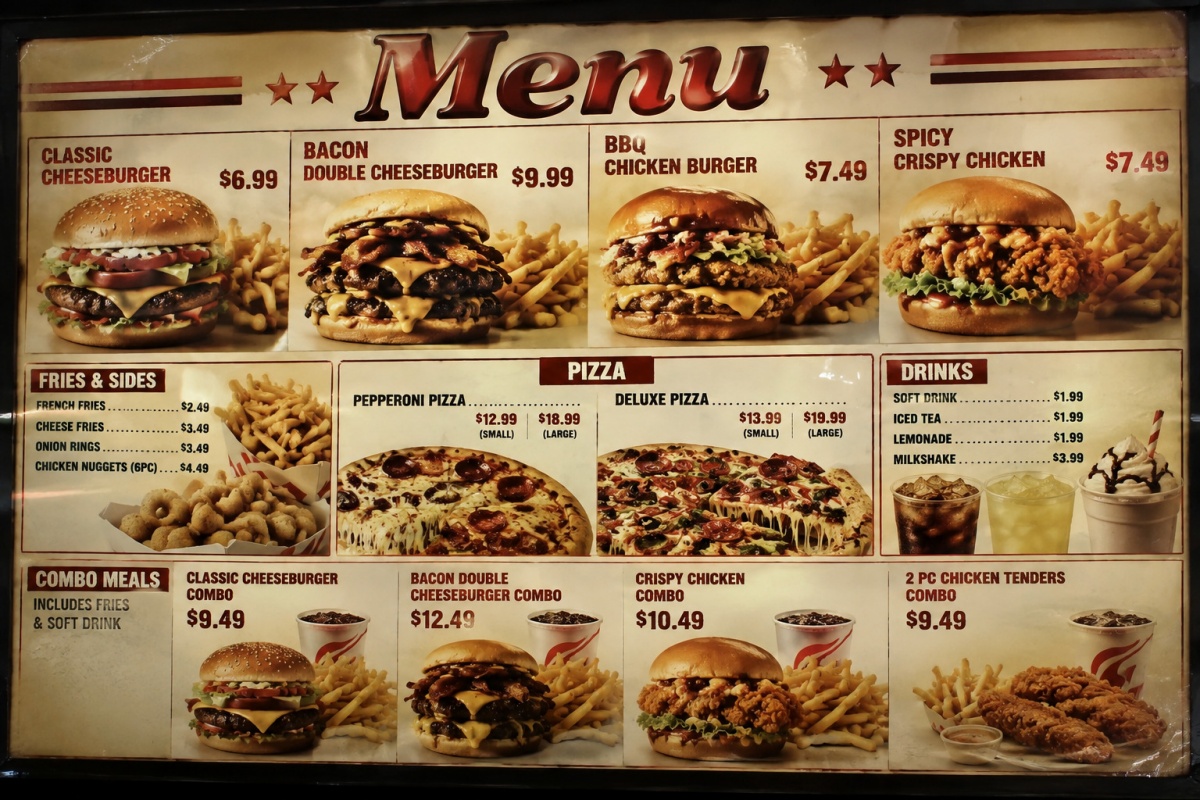
A growing number of restaurants have turned to generative AI to produce menus and promotional images as a cost-saving measure.
The strategy has backfired, as the AI-generated content has unexpectedly provoked customer aversion rather than appetite.
Why it matters
The uncanny valley effect, typically associated with robots and avatars, appears to extend to AI-generated food imagery, which can look 'too perfect' and unsettling to consumers.
This highlights a potential pitfall for businesses adopting generative AI in customer-facing materials, where authenticity and human touch may be crucial for positive reception.
Key facts
Restaurants are increasingly using generative AI for menus and marketing images to cut costs.
The AI-generated content has triggered the 'uncanny valley effect', causing customer repulsion.
The approach has backfired, leading to negative consumer reactions.
What to watch next
Whether restaurants will adjust their use of AI, perhaps blending it with human oversight, to avoid the uncanny valley effect.
If other industries using AI for visual content will face similar consumer backlash.