What happened
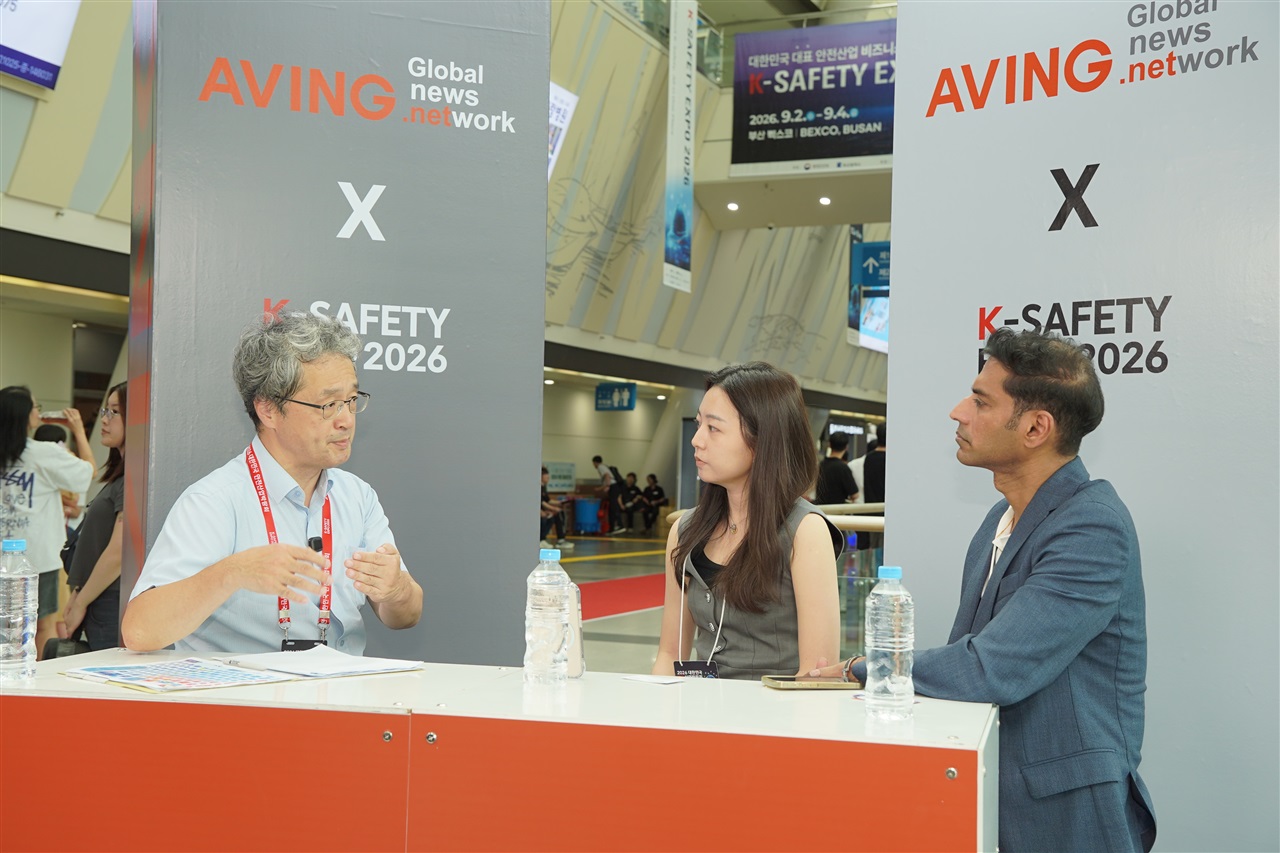
South Korea’s safety-tech sector is increasingly filled with AI cameras, robots, drones, and predictive systems, but BEXCO general manager Tom Choi argues that the real force behind their deployment is less glamorous: government policy.
Choi describes this as a top-down push that moves many of these technologies toward actual use, rather than the technologies driving themselves into the market.
Why it matters
This perspective suggests that South Korea’s safety AI growth depends heavily on public-sector direction, meaning regulatory and policy decisions could be as influential as technological breakthroughs.
If policy remains the primary catalyst, shifts in government priorities could quickly alter the pace and focus of the country’s safety-tech adoption.
Key facts
South Korea’s safety-tech sector includes AI cameras, robots, drones, and predictive systems.
BEXCO general manager Tom Choi argues that government policy is the main force pushing these technologies toward deployment.
Choi characterizes this force as top-down and less glamorous than the technologies themselves.
What to watch next
Watch for South Korean government policies and regulations that may accelerate or slow the deployment of safety AI technologies.
The sustainability of the safety AI boom could hinge on whether policy support continues to lead the way.