What happened
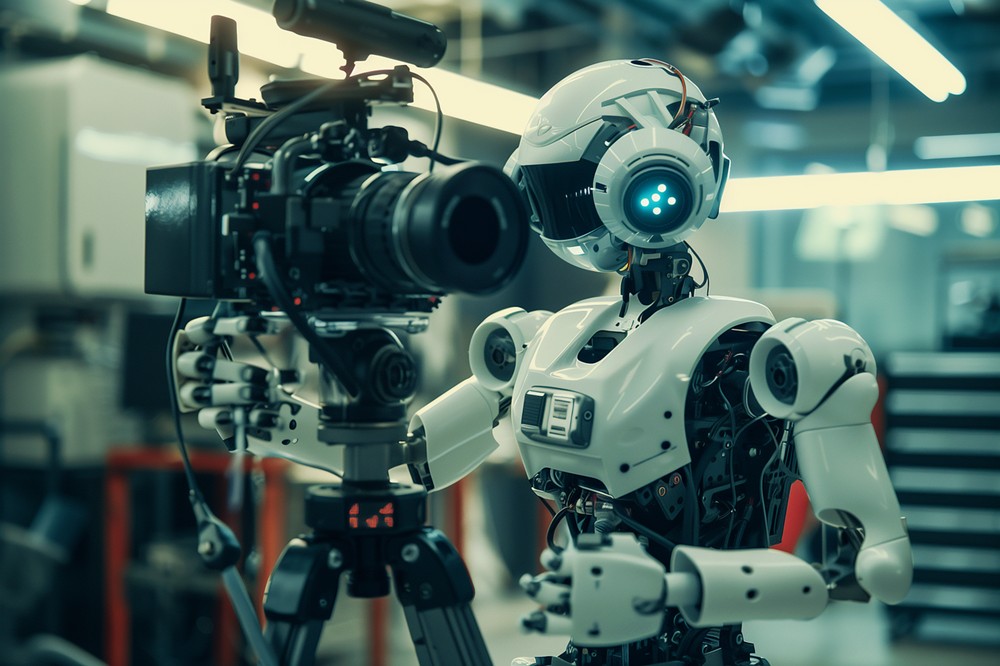
Generative AI tools are rapidly spreading and fundamentally rewriting the cost structure of film, TV, and audio-visual production.
The impact spans from marketing videos to the short-drama industry, which has reached a scale of 10 billion USD.
A key driver is the sharp drop in 'coordination costs'—expenses tied to managing teams, schedules, and workflows—paving the way for a one-person production era.
Why it matters
If coordination costs plummet, production no longer requires large crews or complex project management, potentially lowering barriers to entry for individual creators.
This could shift power from studios to solo creators and change how content is funded, produced, and distributed across the industry.
The emergence of a ten-billion-dollar short-drama market suggests that AI-driven cost reductions are already enabling high-volume, low-cost content at scale.
Key facts
Generative AI tools are rapidly proliferating and rewriting cost structures in film, TV, and audio-visual production.
Coordination costs are experiencing a steep decline, according to the report.
The short-drama industry targeted by these tools has reached a scale of 10 billion USD.
What to watch next
Watch for whether one-person productions can consistently match the quality and polish traditionally delivered by full teams.
Industry observers should monitor how labor markets and production roles adapt as coordination costs shrink further.
The short-drama sector's growth may serve as a testbed for AI-driven workflows that later expand into higher-budget film and TV.