What happened
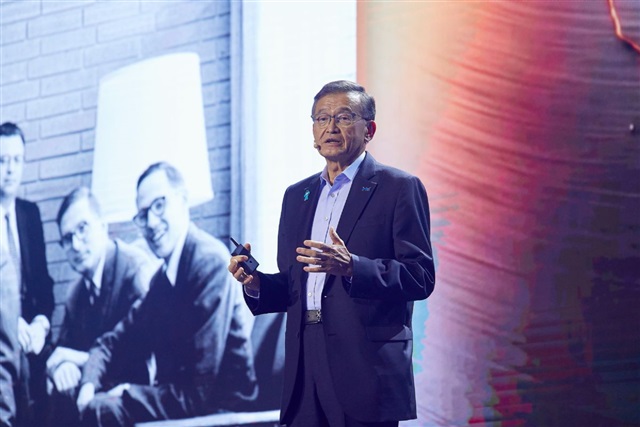
Intel CEO Lip-Bu Tan warned that the memory shortage expected in 2027 could be worse than the one in 2026, according to DigiTimes Asia.
He said the expansion of AI infrastructure is turning memory supply into a major bottleneck for the semiconductor industry.
Cost pressure from the shortage is already spreading to smartphones and notebook PCs, Tan added.
Why it matters
If Tan's warning proves accurate, the memory crunch could constrain the broader semiconductor supply chain, not just Intel, as AI infrastructure demand keeps rising.
The spillover into smartphones and notebooks suggests the impact is already reaching consumer device categories, which could mean higher prices or tighter availability for those products.
Tighter CPU supply, referenced in the headline, points to a potential double squeeze: memory and processors both facing constraints at the same time.
Key facts
Intel CEO Lip-Bu Tan warned that the memory shortage in 2027 could be worse than in 2026.
AI infrastructure expansion is turning memory supply into a major bottleneck for the semiconductor industry.
Cost pressure is already spreading to smartphones and notebook PCs.
What to watch next
Whether memory suppliers announce capacity expansions or allocation changes in response to the projected 2027 shortfall.
How smartphone and notebook makers adjust pricing or product plans as cost pressure continues to spread.
Any updates from Intel or other chipmakers on CPU supply conditions as the memory bottleneck evolves.