What happened
NASA has publicly shared details about a new rocket concept called the synchronous dual-mode nuclear rocket, or S-BNR, which experts describe as a breakthrough idea.
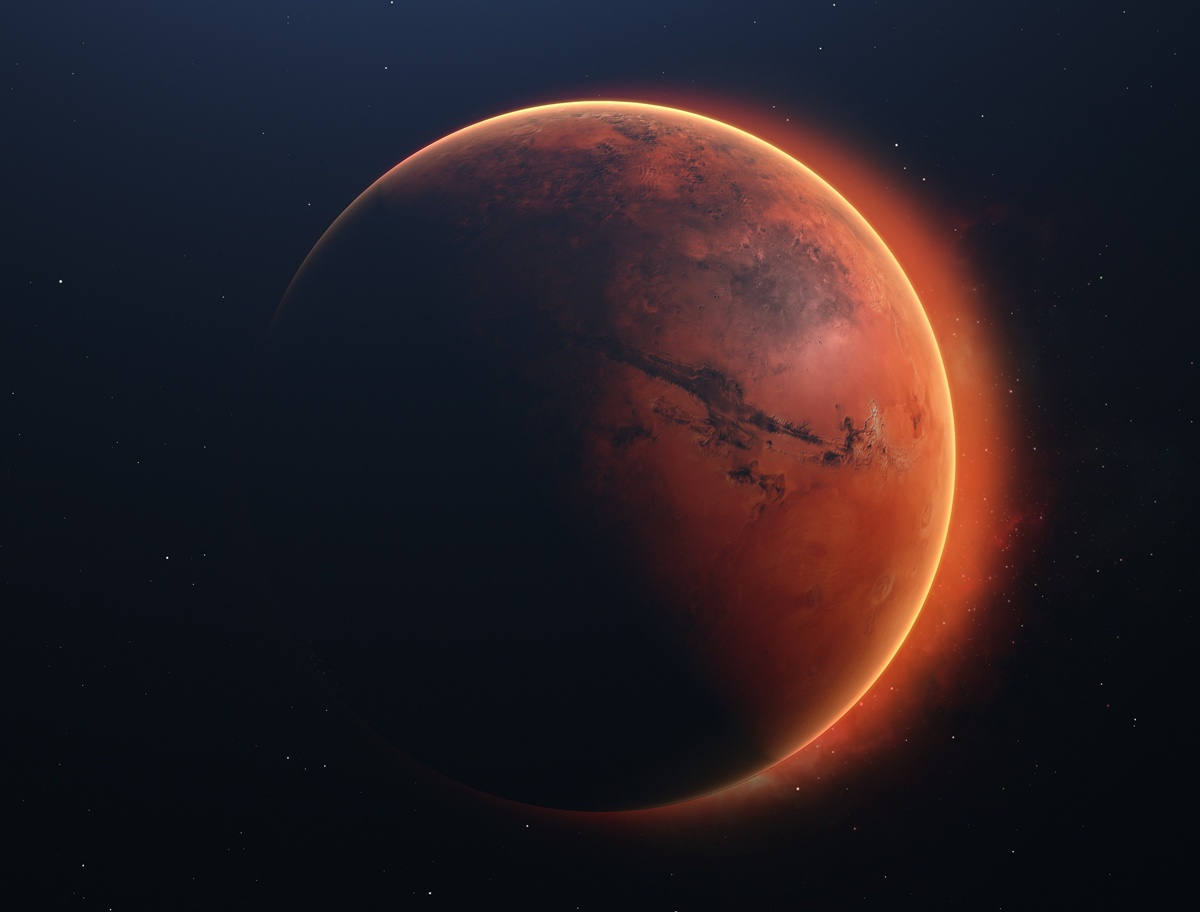
According to the announcement, the proposed design could reduce the time needed to reach Mars by half, potentially reshaping the scope of future deep-space missions.
Why it matters
Shorter travel to Mars would reduce the risks and resources needed for crewed missions, making round trips more feasible and lowering exposure to cosmic radiation and microgravity.
A faster deep-space transit capability also opens the door to destinations far beyond Mars, allowing spacecraft to reach the outer solar system in a fraction of the currently anticipated time.
Key facts
NASA experts recently proposed the S-BNR, a synchronous dual-mode nuclear rocket concept.
The concept is described as a breakthrough idea.
It aims to halve the duration of a Mars voyage and unlock new possibilities for deep-space exploration.
What to watch next
Further technical publications or NASA milestones may clarify how the S-BNR's simplified architecture is meant to be built and tested.
Observe whether the S-BNR is integrated into official NASA roadmaps for Mars missions or other crewed deep-space programs.