What happened
Astronomers studying high-resolution infrared images from the James Webb Space Telescope have identified four pairs of compact, reddish objects in a cosmic era roughly one to 1.3 billion years after the universe began.
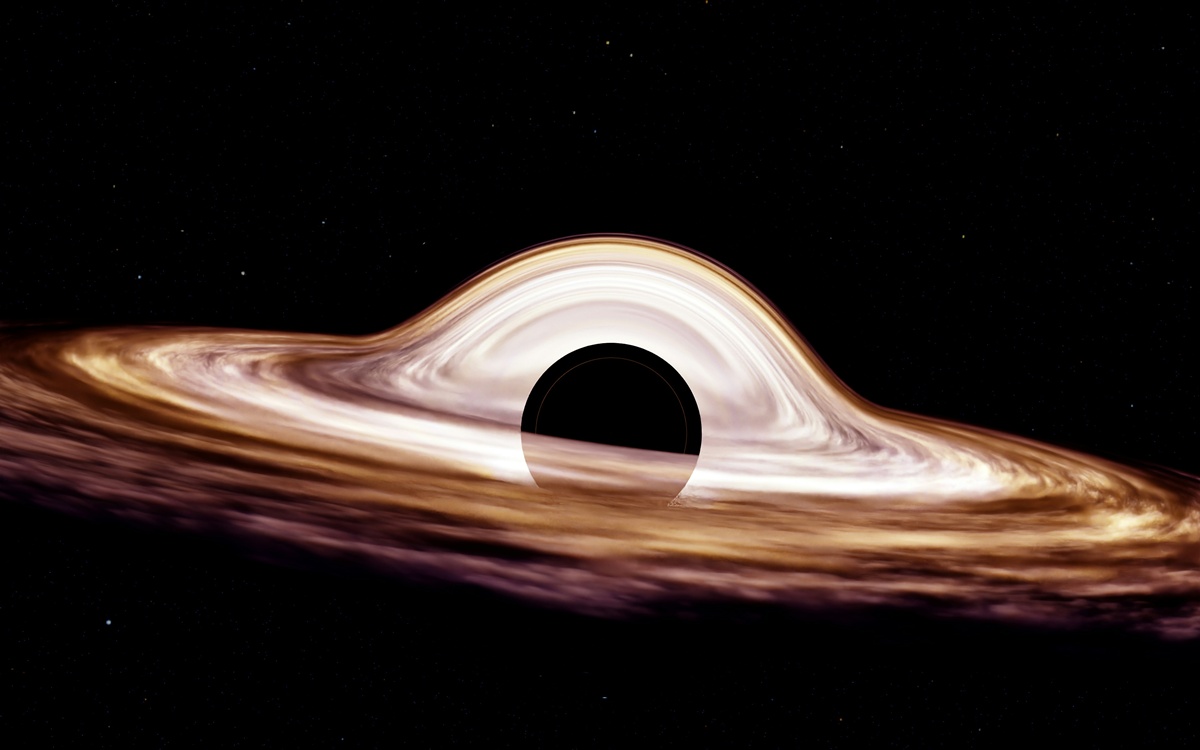
These 'little red dots' appear clustered near each other, and scientists interpret their arrangement as a potential precursor to mergers between ancient black holes.
Why it matters
The discovery offers a new way to trace how black holes grew and merged when the universe was very young.
Seeing such pairs in JWST data may help researchers understand whether these mergers were common in the early universe and how they influenced galaxy formation.
Key facts
The observation relies on the James Webb Space Telescope's high-resolution infrared imaging.
The pairs were found in the period about 1 billion to 1.3 billion years after the birth of the universe.
Four pairs of 'little red dots' were captured, and they are seen as possible signs of ancient black hole mergers.
What to watch next
Astronomers will likely perform follow-up observations to confirm whether the paired dots are indeed black holes in the process of merging.
Further JWST surveys may uncover additional pairs, helping map how frequently such mergers occurred in the early universe.