What happened
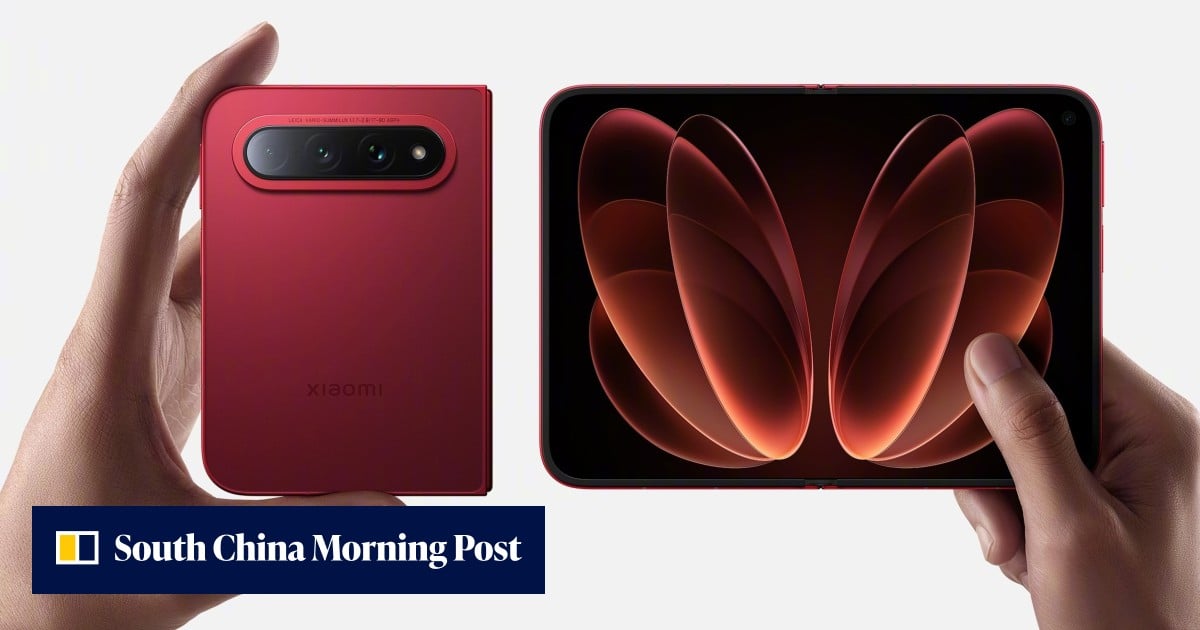
On Monday, Xiaomi introduced a range of new products, including the 18 Fold, a flagship foldable phone with a 7.58-inch inner display and a proprietary Xring O3 system-on-chip (SoC).
The company also showcased new models of its premium Skynomad SUV, signaling a broader strategy to compete with Tesla, Apple, and Huawei Technologies.
The 18 Fold incorporates LPDDR6 memory chips from ChangXin Memory Technologies (CXMT), highlighting a reliance on domestic suppliers.
Why it matters
Xiaomi's move to use its own chip in a flagship device underscores a growing trend among Chinese tech firms to reduce dependence on foreign technology, especially amid ongoing US-China tensions.
By expanding into both high-end smartphones and premium electric vehicles, Xiaomi is directly challenging established players in multiple sectors, aiming to capture more of the premium market.
The use of CXMT memory chips suggests a strategic alignment with Chinese semiconductor initiatives, potentially reshaping supply chains in the industry.
Key facts
Xiaomi unveiled the 18 Fold, a foldable phone with a 7.58-inch inner display.
The phone features a proprietary Xring O3 system-on-chip (SoC).
It uses LPDDR6 memory chips from ChangXin Memory Technologies (CXMT).
Xiaomi also introduced new models of its Skynomad SUV.
The company is intensifying competition with Tesla, Apple, and Huawei Technologies.
What to watch next
How consumers respond to Xiaomi's proprietary chip in terms of performance and reliability compared to established rivals.
Whether Xiaomi's expansion into premium vehicles and foldables will erode market share from Apple and Huawei in the coming quarters.
The potential impact of US export controls on Xiaomi's ability to source components, given its reliance on domestic chipmakers like CXMT.