AIBID
AIBID BLOG

AI & Tech

Latest AI products, models, agents, robotics, chips, funding and open source.

Taiwan-Tech · 2 d ago

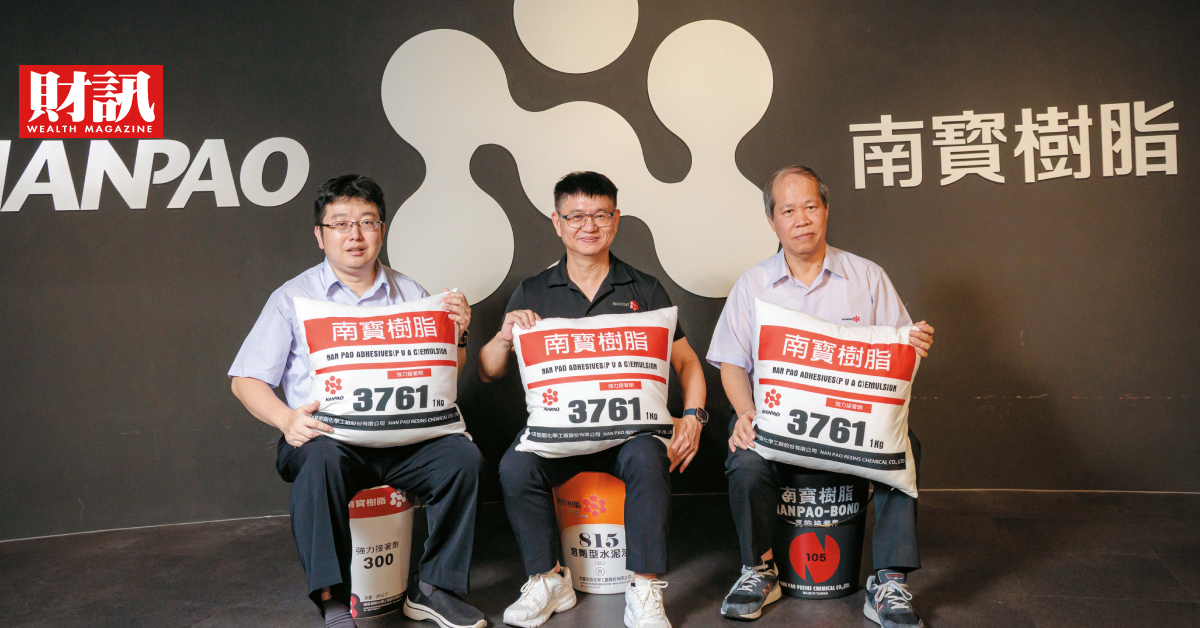
From Shoe Glue to Chips: Nanpao's 60-Year Pivot into Semiconductor and AI Materials

What happened

Nanpao, a company traditionally known for shoe glue, is making a strategic pivot toward high-tech materials, specifically targeting semiconductor advanced packaging and AI copper foil substrate applications.

The company has spent sixty years accumulating innovative polymer material technology, which it now aims to apply to these new high-growth sectors.

This transformation is backed by a strong financial record: Nanpao reportedly earned the equivalent of two times its capital over a three-year period.

Why it matters

The move highlights how established chemical and materials firms can reinvent themselves by redirecting core competencies toward the booming semiconductor and AI supply chains.

If successful, Nanpao could become a niche supplier in advanced packaging, where polymer materials play a critical role in performance and reliability.

The company's solid profitability suggests it has the financial stability to fund this ambitious shift, but entering new markets carries execution risks.

Key facts

Nanpao has 60 years of experience in polymer materials.

The company is aiming to enter semiconductor advanced packaging and AI copper foil substrate markets.

Nanpao reported earning two times its capital within three years.

What to watch next

Watch whether Nanpao can translate its adhesive and polymer know-how into products that meet the stringent requirements of semiconductor packaging.

Industry observers will likely monitor the company's R&D progress and any potential partnerships with chipmakers or substrate manufacturers.

Another key indicator will be whether the financial performance momentum continues as the company invests in new material technologies.
Sources

Read → Keep scrolling for the next story
Taiwan-Tech · 2 d ago

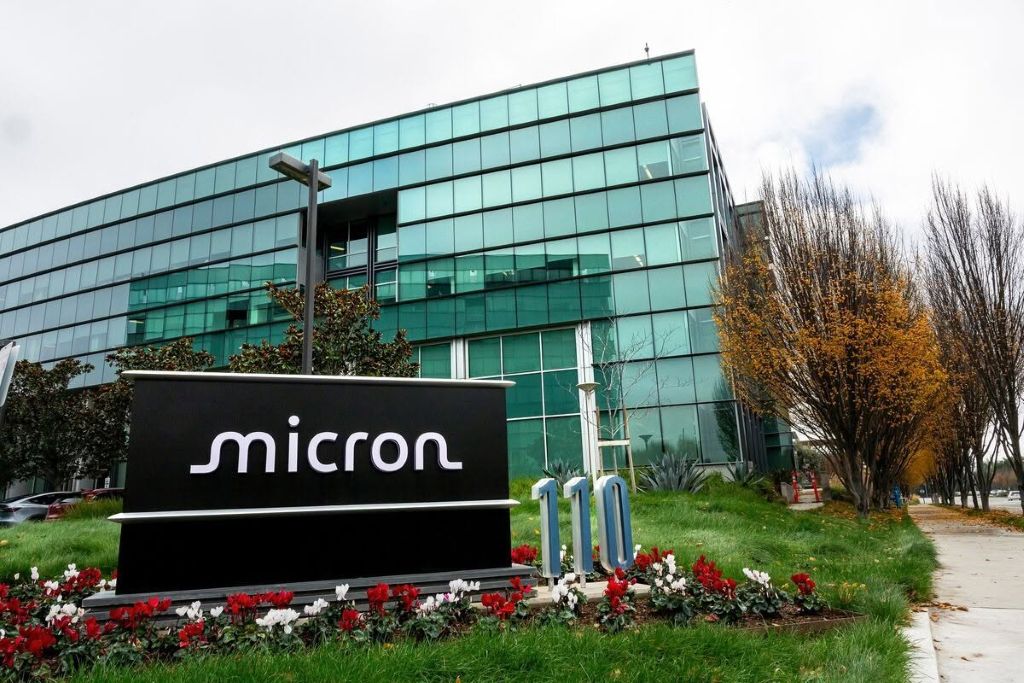
Micron Taiwan Union Eyes Strike With 80% Support Over Bonus Disparity

What happened

The union representing Micron's Taiwan plant is preparing for a possible strike, with 80% of its members supporting the move. The central grievance is that bonus and dividend payouts lag behind those at Samsung and SK Hynix.

The labor unrest follows Micron's recent record revenue and profit, driven by the global AI boom and surging demand for high-bandwidth memory (HBM).

Why it matters

The strike threat exposes a gap between Micron's strong financial performance and workers' perceived share of that success. Since HBM is critical to AI systems, any production disruption at Micron's Taiwan fabs could have ripple effects across the AI supply chain.

Key facts

Micron recently posted record revenue and profits.

The record performance was powered by the global AI wave and increased HBM demand.

The Taiwan union is brewing a strike with 80% support.

Workers are unhappy that bonuses and dividends lag behind Samsung and SK Hynix.

What to watch next

Whether the union moves forward with an official strike vote despite the 80% backing.

How Micron responds to the compensation demands and whether it offers a revised bonus package.

Any potential impact on HBM output if a strike materializes.

Sources

Read → Keep scrolling for the next story
Taiwan-Tech · 2 d ago

NVIDIA's Beitou-Shilin Hub Lands as Northern Taiwan Grid Nears Overload

What happened

NVIDIA's overseas headquarters, the 'Star Cluster' base, will be located in the Beitou-Shilin Technology Park, serving as a key R&D and manufacturing hub.

Northern Taiwan's power grid is approaching overload, prompting questions about the balance between attracting tech giants and building supporting infrastructure.

A reported 25% of the public incorrectly considers 'zero nuclear' as the main source of electricity, according to the article.

Why it matters

The contrast between welcoming NVIDIA's investment while rejecting new substations highlights a growing tension in Taiwan's energy transition.

Widespread misperceptions about power sources could cloud public debate exactly when AI-driven electricity demand is rising.

Key facts

NVIDIA's 'Star Cluster' base is set for the Beitou-Shilin Technology Park.

Northern Taiwan's grid is on the verge of being overloaded.

25% of people mistakenly view 'zero nuclear' as the primary power source.

What to watch next

Whether local opposition to substations grows as NVIDIA's R&D and manufacturing hub becomes operational.

How the three major power truths referenced in the headline influence Taiwan's future energy policy discussions.

Sources

Read → Keep scrolling for the next story
Taiwan-Tech · 2 d ago

Perceptron Launches Visual AI Model Isaac 0.5 to Help Robots See and Think

What happened

Perceptron, an AI startup created by former Meta scientists, has introduced a new visual AI model named Isaac 0.5.

The model is designed to give robots the ability to 'see and think' — combining visual perception with reasoning capabilities.

The company says it is dedicating its efforts to advancing visual AI, signaling a strong focus on this area.

Why it matters

Teaching robots to interpret what they see and reason about it could be a key step toward more autonomous and adaptable machines.

By building on expertise from Meta, Perceptron may push forward practical applications in robotics where visual understanding is critical.

Key facts

Perceptron is an AI startup founded by former Meta scientists.

The company has released a visual AI model called Isaac 0.5.

Isaac 0.5 is intended to help robots 'see and think'.

Perceptron is focusing strongly on visual AI.

What to watch next

Will Isaac 0.5 be adopted by robot manufacturers or integrated into existing robotics platforms?

Future updates to the model may reveal how far Perceptron can push visual reasoning in real-world tasks.

Sources

Read → Keep scrolling for the next story
Taiwan-Tech · 2 d ago

Robot games in Beijing send Taiwan a signal on fast-moving tech

What happened

China hosted its second humanoid robot games in Beijing from August 22 to August 26, 2026, according to a commentary report.

Videos and clips from the event spread rapidly across social media, showcasing how quickly humanoid robotics is advancing.

The spectacle drew attention in Taiwan, where observers weighed the potential benefits and dangers of robots in policing, firefighting, and even warfare.

Why it matters

The rapid visibility of humanoid robotics in a Chinese event underscores how the technology is moving from labs to real-world applications, including security and emergency response.

For Taiwan, the same robots that promise safer firefighting and more effective policing could also serve military purposes, creating a strategic dilemma as cross-strait tensions persist.

The social media buzz indicates that public perception of these technologies is shifting, making it harder for any government to ignore their implications.

Key facts

China's second humanoid robot games took place in Beijing from August 22 to August 26, 2026.

The event generated videos and clips that went viral on social media.

The commentary highlights both promise and risk for Taiwan in policing, firefighting, and warfare applications.

What to watch next

Whether Taiwan will respond with its own initiatives or regulatory measures aimed at humanoid robotics.

How quickly humanoid robots move from showcase events to operational deployment in security and military roles across the region.

If future iterations of the games will feature even more advanced capabilities that further alter the strategic balance.

Sources

Read → Keep scrolling for the next story
罗永浩@luoyonghao · AIBID #1

【严肃提醒】我从未参与、推广或代言任何虚拟货币项目。所有使用我名字、头像或形象的账号均为假冒,请勿相信任何相关投资信息。

♡ 738 💬 690 ↻ 18
Details →
Taiwan-Tech · 2 d ago

Dexterous Hands Steal the Show at WRC 2026 as Humanoid Robotics Focus Shifts

What happened

The recently concluded World Robot Conference 2026, held in Beijing, signaled a turning point for China's booming humanoid robot industry. While the event has historically been a battleground for walking and motion capabilities, this year's spotlight moved to robots' end-effectors.

According to the conference's showcase, the competition is now centered on dexterous-hand technology, with three distinct technical approaches vying for dominance. This marks a clear departure from previous years when the primary competition focused on locomotion.

Why it matters

The shift from legs to hands indicates that the humanoid robotics field is maturing. Once basic mobility is largely solved, dexterous manipulation becomes the critical next hurdle for real-world usefulness.

The emergence of three competing technology paths suggests that the industry has not yet settled on a standard approach for robotic hands. The outcome of this race will likely determine which design philosophy underpins future humanoid robots and their ability to handle complex tasks.

Key facts

The World Robot Conference 2026 concluded in Beijing.

China's humanoid robot industry is flourishing.

Attention at WRC 2026 shifted from walking and motion capabilities to robots' end-effectors, particularly dexterous hands.

Three technology paths are competing in the humanoid robotics space.

What to watch next

The evolution of the three technology paths for dexterous hands, as any breakthrough could quickly become the industry standard.

Future robotics events to see whether the focus on manipulation continues, and whether walking abilities become a secondary concern.

Sources

Read → Keep scrolling for the next story
Taiwan-Tech · 2 d ago

Qualcomm's HBC Push Moves Memory Battle Beyond HBM

What happened

For the past several years, the AI infrastructure race has centered on high-bandwidth memory (HBM) as a near-essential ingredient of accelerated computing.

As model sizes, context windows, and inference workloads keep growing, the industry's focus is moving away from simply stacking more memory and toward moving data between memory and compute more efficiently.

Qualcomm's move into HBC is now drawing Samsung and SK hynix into a new competitive race that reaches beyond the established HBM arena.

Why it matters

If the real bottleneck is data movement rather than memory density, then leadership in packaging, interconnect, and memory-compute integration could become more valuable than maximizing the number of stacked memory layers.

Qualcomm's entry suggests a shift in design priorities, which could upend the competitive dynamics among memory suppliers who have been racing primarily on HBM specifications.

Key facts

The AI infrastructure race has focused on HBM as an indispensable building block of accelerated computing.

Expanding model sizes, context windows, and inference workloads are shifting the bottleneck.

The bottleneck is moving from how much memory is stacked to how efficiently data moves between memory and compute.

Qualcomm's HBC play is pulling Samsung and SK hynix into a race beyond HBM.

What to watch next

Watch whether memory makers pivot their roadmaps to emphasize data-movement efficiency in response to Qualcomm's HBC initiative.

See if other chipmakers or memory vendors announce similar efforts, indicating a broader industry shift away from the HBM-centric approach.

Sources

Read → Keep scrolling for the next story
Taiwan-Tech · 2 d ago

Humanoid Robots Edge Toward Mass Production as Supplier Challenges Emerge

What happened

A research insight indicates that humanoid robots are approaching the stage of mass production.

Suppliers in the production chain are reportedly being tested on their ability to meet precision requirements and manage production ramp-ups.

Why it matters

The shift from prototype to mass production is a critical threshold for humanoid robotics, and supplier capability will determine how quickly and reliably these robots reach scale.

Precision and ramp-up challenges suggest that even as demand grows, manufacturing bottlenecks could slow delivery and affect quality consistency.

Key facts

Humanoid robots are near mass production, according to the research insight.

Suppliers face a test involving precision and production ramp-up.

What to watch next

Whether suppliers can overcome precision and scaling obstacles in the coming production cycles.

How these supplier challenges affect the broader timeline for humanoid robot availability.

Sources

Read → Keep scrolling for the next story
Taiwan-Tech · 2 d ago

Seized Zhang Xue 820RR Sparks Debate Over Taiwan Motorcycle Industry

What happened

The seizure of a Zhang Xue 820RR, a Chinese heavyweight motorcycle smuggled into Taiwan as parts and hand-assembled locally, has turned into more than a customs enforcement case.

Brand founder Zhang Xue responded with public, aggressive pushback, escalating the dispute beyond the original trade violation.

The confrontation has grown into a high-profile debate about the structural health of Taiwan's motorcycle industry and regulatory gray areas in cross-strait commerce.

Why it matters

The case highlights long-simmering anxieties about the competitive pressures and structural weaknesses facing Taiwan's motorcycle sector when Chinese brands enter through unconventional channels.

The dispute also exposes regulatory gray areas around cross-strait commerce, particularly the practice of shipping vehicles as parts for local assembly.

The founder's combative public response shows how enforcement actions can quickly become reputation battles with industry-wide implications.

Key facts

A Zhang Xue 820RR was seized after being smuggled into Taiwan as parts and hand-assembled locally.

Brand founder Zhang Xue responded with public, aggressive pushback.

The dispute evolved from a trade violation into a high-profile debate on Taiwan's motorcycle industry and cross-strait regulatory gray areas.

What to watch next

Whether the debate prompts clearer rules or stronger enforcement around cross-strait motorcycle trade.

How Taiwan's domestic motorcycle industry responds to the structural concerns raised by the incident.

Whether Zhang Xue's public challenge leads to further escalation or shifts attention toward regulatory reform.

Sources

Read → Keep scrolling for the next story
Taiwan-Tech · 2 d ago

TSMC's 238-page report: shoe-soles, a fab fish, lizard evacuations and a baby boom

What happened

DigiTimes Asia highlights that TSMC's latest sustainability report runs 238 pages and contains nine small stories buried among targets and inventories.

Those stories include a formal corporate policy about shoe soles, a fish that lives inside a fab, a lizard evacuation in Germany, and a workforce that is reproducing at four times the rate of the rest of Taiwan.

Why it matters

This shows that even the world's most important chipmaker embeds unusual operational details in its sustainability reporting, not just headline-friendly metrics.

The specifics may signal a deeper, more granular approach to corporate responsibility at TSMC, though the report's own framing is the only source of these claims.

Key facts

TSMC's sustainability report is 238 pages long.

The report includes a formal corporate policy on shoe soles.

A fish lives inside a TSMC fab.

TSMC conducted a lizard evacuation in Germany.

TSMC's workforce is out-reproducing the rest of Taiwan by a factor of four.

What to watch next

Whether TSMC expands these nine kinds of small-scale policies into broader industry practices.

Whether future reports feature more such unusual, non-traditional sustainability indicators from the chipmaker.

Sources

Read → Keep scrolling for the next story
Ray Wang@anytutorai · AIBID #2

https://t.co/54FDzGhNxO AI中转站,免订阅送点数,无需翻墙,十美金起暢享最強CLAUDE與GPT模型,不封號,也可以直接使用GPT一樣AI對話服務。可开票,无套路,BASE东京的中转站,不参水原价,打的就是十美金小额用顶部模型,

♡ 1 💬 1 ↻ 0
Details →
Taiwan-Tech · 2 d ago

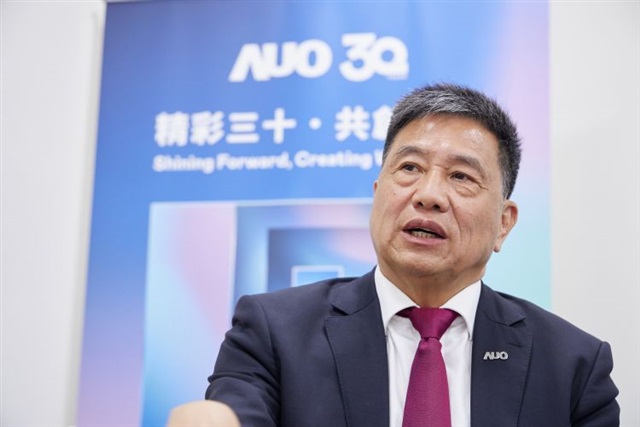
After years of losses, AUO chair maps a path beyond LCD

What happened

In an exclusive interview, AUO's chair outlined ambitions that extend beyond the LCD business, signaling a strategic shift.

The discussion takes place against a backdrop of price wars, capacity races, and years of losses steep enough to earn a lasting nickname.

Why it matters

The remarks suggest that AUO may be looking to move away from a pure volume-driven model, where price competition and capacity expansion have historically eroded profits.

If the chair's post-LCD ambition translates into a value-focused strategy, it could signal a broader industry rethink about how scale is converted into sustainable returns.

Key facts

The interview is exclusive with AUO's chair.

The chair has a post-LCD ambition focused on turning scale into value.

The company's history includes price wars, capacity races, and years of losses that earned a lasting nickname.

What to watch next

Further details from the interview may reveal what specific businesses or technologies AUO plans to prioritize after LCD.

Watch for whether AUO's scale in manufacturing can be leveraged to create higher-value offerings rather than competing on price.

Sources

Read → Keep scrolling for the next story
Taiwan-Tech · 2 d ago

New Satellite Data Questions Classic 'Two-Bulge' Tidal Model

What happened

Researchers have released a study based on extensive observational data that casts doubt on the long-standing model of ocean tides found in textbooks. The traditional model describes two bulges in the ocean caused by the Moon's gravitational pull.

The research team argues that Earth's oceans may not respond to lunar gravity in the way this classic model predicts, implying that the standard explanation could be oversimplified or incorrect.

Why it matters

If the traditional model is indeed flawed, it could reshape how scientists understand tidal dynamics, coastal processes, and even the interaction between the ocean and the Moon's orbit.

The findings highlight the value of modern satellite observations in testing and refining long-accepted theories, potentially leading to updates in educational materials and future research directions.

Key facts

The study uses large-scale observational data, likely from satellites.

It challenges the traditional 'two-bulge' tidal model taught in textbooks.

The research suggests the oceans may not behave as expected under lunar gravity.

What to watch next

Further peer review and follow-up studies will be important to confirm the new findings and determine whether the traditional model needs revision.

If the results hold, we may see updated discussions in oceanography textbooks and new investigations into tidal prediction methods.

Sources

Read → Keep scrolling for the next story
Taiwan-Tech · 2 d ago

Liver's Own Biological Clock Could Guide Smarter Drug Timing

What happened

Researchers at UT Health San Antonio have discovered that the liver does not operate continuously as a metabolic organ but instead follows its own biological clock.

The finding suggests that precisely timing medication administration might make treatments for metabolic diseases more effective.

Why it matters

This challenges the assumption that the liver works the same at all hours, opening the door to chronotherapy—scheduling drugs to match the liver's natural rhythms.

If medication timing can be aligned with the liver's clock, existing metabolic disease therapies could become more potent without new drugs, potentially improving patient outcomes.

Key facts

The discovery was made by UT Health San Antonio.

The liver has a biological clock, meaning it is not persistently active.

Precise medication timing may enhance the effectiveness of metabolic disease treatments.

What to watch next

Further studies will likely clarify how the liver's clock influences drug metabolism and which dosing schedules yield the best results.

Clinical applications may emerge that tailor medication timing to individual patients' liver rhythms.

Sources

Read → Keep scrolling for the next story
Taiwan-Tech · 2 d ago

TSMC Rookie Says Quarterly Bonus Up, Financials Show 50.7% YoY Increase

What happened

TSMC distributed its second-quarter employee profit sharing today, and one staff member described as a newcomer took to social media to say the quarterly bonus payout was noticeably larger, ranging from four to six months of salary depending on individual performance appraisals.

The company's latest financial report had already shown that the total bonus pool for the recent quarter rose 50.7% year over year, which aligns with the employee's observation of a tangible increase.

Why it matters

The employee's report offers real-world confirmation that TSMC's strong recent financial performance is flowing through to compensation, at least for some staff.

A 50.7% jump in the total quarterly bonus pool suggests significant profitability improvement, and the fact that even a rookie noticed the change indicates the increase may be broad-based rather than limited to senior roles.

Key facts

TSMC credited second-quarter employee profit sharing today.

A rookie employee reported a noticeable increase in the quarterly bonus, receiving about four to six months of salary based on performance.

The company's financial report showed the single-quarter bonus total rose 50.7% year over year.

What to watch next

Investors and employees will likely watch whether TSMC can sustain this pace of bonus growth, which will depend on future earnings and market conditions.

It remains to be seen whether the company issues an official statement about the bonus distribution or provides further details on its profit-sharing formula.

Sources

Read → Keep scrolling for the next story
Taiwan-Tech · 3 d ago

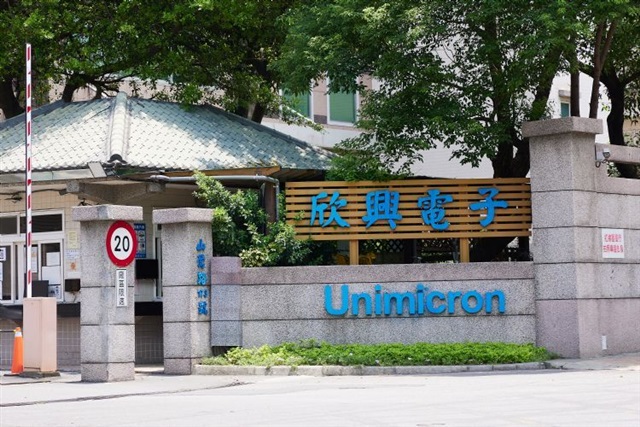
Unimicron Searched in Origin-Labeling Probe

What happened

Prosecutors and investigators conducted a search of IC substrate maker Unimicron Technology on Aug. 28, according to the company's exchange filings.

The search is related to a case concerning the labeling of product origin, which the company acknowledged in its regulatory disclosure.

Why it matters

The probe touches on product origin labeling, a compliance area that can affect customer trust and trade relations if irregularities are found.

As a major IC substrate supplier, any legal or regulatory scrutiny could have implications for its operations and reputation, though no conclusions have been announced.

Key facts

Unimicron Technology (TWSE: 3037) was searched on Aug. 28.

The search involved a case about the labeling of product origin.

The company reported the search in exchange filings.

What to watch next

Further disclosures from Unimicron or authorities regarding the scope and outcome of the investigation.

Potential impact on the company's supply chain relationships if the probe leads to findings of non-compliance.

Sources

Read → Keep scrolling for the next story
Lisa_Liao在加州@lisa_liao08 · AIBID #7

感觉每一点都戳中我 33. 为别人做过的事情,做完就立刻放下,不要记在心里。 66. 每天做一点小小的改变。 99. 尽你所能,做到最好。

♡ 2 💬 0 ↻ 0
Details →
Taiwan-Tech · 3 d ago

ASUS Bets Big on Physical AI and Humanoid Robots Starting in September

What happened

ASUS has announced an organizational restructuring through an internal letter to its employees, according to a report by TechNews.

The move aligns with a broader shift in artificial intelligence from cloud-based models toward real-world applications.

The restructuring begins in September and will affect the company's existing smart IoT business, as ASUS makes physical AI and humanoid robots its next strategic focus.

Why it matters

As AI moves beyond the cloud into physical settings, hardware companies like ASUS are repositioning to capitalize on demand for embodied AI solutions.

Humanoid robots represent a promising frontier where computing, sensing, and AI converge, making them a natural extension of ASUS's technology portfolio.

Key facts

ASUS announced an organizational restructuring via an internal letter to employees.

The company is pivoting toward physical AI and humanoid robots.

The restructuring takes effect in September.

The move is tied to AI shifting from cloud models to real-world applications.

ASUS's smart IoT business is involved in the organizational changes.

What to watch next

Further details on how ASUS will reorganize its smart IoT unit and integrate physical AI initiatives.

Potential announcements of humanoid robot products or partnerships in the coming months.

How this strategic pivot affects ASUS's overall product roadmap and market position.

Sources

Read → Keep scrolling for the next story
Taiwan-Tech · 3 d ago

Google Tightens Android Resource Rules as AI Drives Memory Shortage

What happened

According to a report from TechNews, Google is responding to memory supply pressure caused by AI data centers by preparing stricter resource requirements for Android applications and games.

The move aims to reduce the system resources consumed by apps, as competition for memory capacity intensifies with AI infrastructure expansion.

The exact details of the new requirements have not been fully disclosed, but they are expected to target resource usage efficiency.

Why it matters

Memory chips are a finite resource, and AI data centers are consuming an increasingly large share of global supply. By tightening Android app resource usage, Google can help ensure that mobile devices remain responsive even as memory availability tightens.

This could push developers to optimize their apps more aggressively, potentially leading to leaner software that benefits users through better performance and longer device lifespans.

Key facts

Google is preparing stricter resource requirements for Android apps and games.

The move is in response to memory supply tightness driven by AI data centers.

The requirements aim to lower system resource usage by Android applications.

What to watch next

Watch for official Android developer guidelines that detail the new resource restrictions, including any specific memory or performance targets.

Developers may need to adjust their apps' memory management and background behavior to comply, which could change how apps operate on lower-end devices.

Sources

Read → Keep scrolling for the next story
Taiwan-Tech · 3 d ago

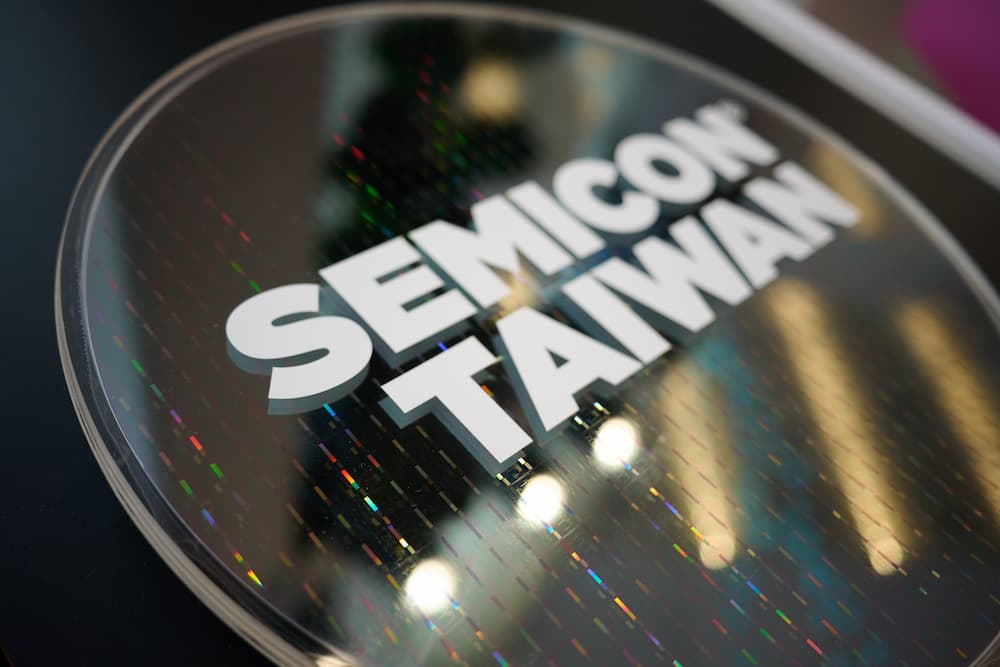
Germany to Attend Taiwan Semiconductor Expo, Targeting Chip Design and Advanced Packaging

What happened

Germany's Federal Foreign Trade and Investment Agency (GTAI) is scheduled to participate in the Taiwan International Semiconductor Exhibition next week.

The German delegation, including semiconductor expert Martin Mayer, is expected to focus on chip design and advanced packaging technologies at the event.

Why it matters

This participation highlights Germany's strategic interest in strengthening ties with Taiwan's semiconductor ecosystem, a key player in global chip supply chains.

The focus on chip design and advanced packaging suggests Germany is looking to collaborate in areas critical to next-generation semiconductor manufacturing.

Key facts

GTAI will attend the Taiwan International Semiconductor Exhibition next week.

The delegation's focus areas are chip design and advanced packaging.

Semiconductor expert Martin Mayer is connected to this initiative.

What to watch next

Potential announcements of bilateral cooperation between German and Taiwanese semiconductor firms during the exhibition.

Whether this visit leads to further investment or partnership discussions in advanced packaging and chip design.

Sources

Read → Keep scrolling for the next story
Taiwan-Tech · 3 d ago

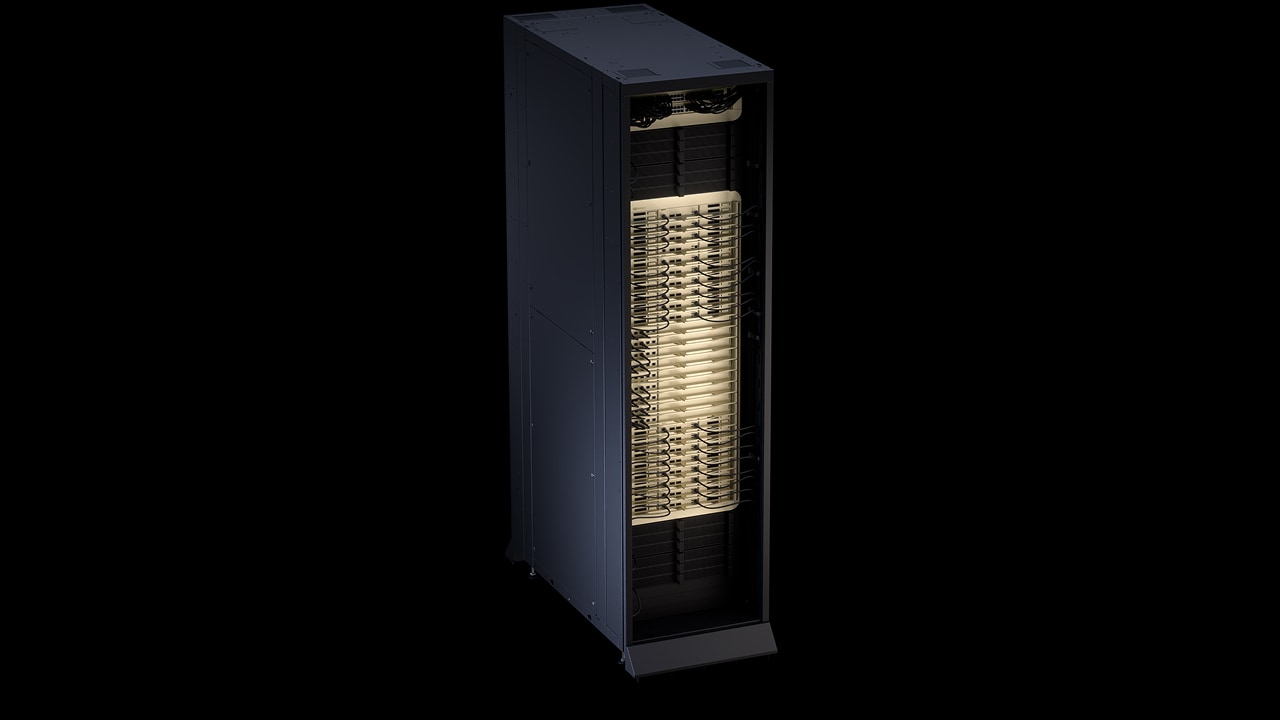
NVIDIA Rack Transition: NVL72 Value Could Top $710B by 2027

What happened

According to TrendForce's latest AI server industry research, NVIDIA is undergoing a generational shift in its AI rack products.

The GB300 rack-scale solution has become the primary shipment for NVIDIA this year, replacing earlier generations.

Looking ahead, the NVL72 rack product is projected to contribute over $710 billion in output value by 2027, marking a major revenue milestone.

Why it matters

This transition signals NVIDIA's strategic move toward higher-capacity, integrated rack systems for AI workloads.

The projected NVL72 value suggests that demand for next-generation AI infrastructure is accelerating, potentially reshaping competition in the AI server market.

Key facts

TrendForce published research on the AI server industry.

GB300 is NVIDIA's main shipment this year.

NVL72 output value contribution could exceed $710 billion by 2027.

What to watch next

Whether NVL72 adoption ramps up as planned and how it affects NVIDIA's overall AI revenue mix.

Competitors' responses to NVIDIA's rack-level product push in the coming years.

Sources

Read → Keep scrolling for the next story
Taiwan-Tech · 3 d ago

800VDC Power Architecture for AI Data Centers Nears Stability, But Hurdles Remain

What happened

The 800VDC power architecture for AI data centers is beginning to take shape, according to a recent analysis by DigiTimes Asia.

However, the path forward is not without obstacles, as future progress will require careful balancing of multiple key factors.

DigiTimes believes that 2026 will be a pivotal year for the stabilization of this power architecture.

Why it matters

As AI data centers grow in scale and power demands, efficient power delivery becomes critical. The adoption of 800VDC could offer significant advantages, but only if the associated trade-offs are managed properly.

The stabilization of this architecture will likely influence the design and operation of future AI infrastructure, making the balancing of factors like cost, reliability, and compatibility essential for industry momentum.

Key facts

800VDC power architecture is taking shape for AI data centers.

Future hurdles require balancing multiple key factors.

DigiTimes expects 2026 to be pivotal for the architecture's stabilization.

What to watch next

Watch for how industry stakeholders address the identified hurdles as they work toward 800VDC stabilization.

Keep an eye on developments through 2026 to see whether DigiTimes' prediction about a pivotal year comes to fruition.

Observe the evolution of power architecture choices in AI data centers and the strategies used to balance competing priorities.

Sources

Read → Keep scrolling for the next story
@levelsio@levelsio · AIBID #3

Okay I built it! 🍰 Infinite Slop https://t.co/2SykqwedhF An infinite and interactive AI generated live stream of slop that goes on forever and ever Anything that you write in the chat is generated next and AI will try to connect it to the previous video so there's an actual https://t.co/We7YYMXcGC

♡ 6.6K 💬 787 ↻ 526
Details →
From Shoe Glue to Chips: Nanpao's 60-Year Pivot into Semiconductor and AI Materials
Taiwan-Tech · 2 d ago

From Shoe Glue to Chips: Nanpao's 60-Year Pivot into Semiconductor and AI Materials

Nanpao leverages six decades of polymer expertise to target semiconductor and AI packaging materials.

Read →
Micron Taiwan Union Eyes Strike With 80% Support Over Bonus Disparity
Taiwan-Tech · 2 d ago · 1

Micron Taiwan Union Eyes Strike With 80% Support Over Bonus Disparity

Micron Taiwan workers may strike over bonuses trailing Samsung and SK Hynix; union cites record profits.

Read →
NVIDIA's Beitou-Shilin Hub Lands as Northern Taiwan Grid Nears Overload
Taiwan-Tech · 2 d ago

NVIDIA's Beitou-Shilin Hub Lands as Northern Taiwan Grid Nears Overload

NVIDIA's new Taipei base and a mistaken public view of nuclear power strain northern Taiwan's grid.

Read →
Perceptron Launches Visual AI Model Isaac 0.5 to Help Robots See and Think
Taiwan-Tech · 2 d ago · 5

Perceptron Launches Visual AI Model Isaac 0.5 to Help Robots See and Think

AI startup Perceptron, founded by ex-Meta scientists, launches Isaac 0.5 to give robots visual understanding and reasoning.

Read →
Robot games in Beijing send Taiwan a signal on fast-moving tech
Taiwan-Tech · 2 d ago

Robot games in Beijing send Taiwan a signal on fast-moving tech

China's second humanoid robot games in Beijing spotlight rapid robotics progress and dual-use risks.

Read →
Dexterous Hands Steal the Show at WRC 2026 as Humanoid Robotics Focus Shifts
Taiwan-Tech · 2 d ago

Dexterous Hands Steal the Show at WRC 2026 as Humanoid Robotics Focus Shifts

At WRC 2026 in Beijing, attention moved from walking to dexterous hands as three tech paths compete.

Read →
Qualcomm's HBC Push Moves Memory Battle Beyond HBM
Taiwan-Tech · 2 d ago

Qualcomm's HBC Push Moves Memory Battle Beyond HBM

AI memory bottleneck shifts from stacking to data movement, drawing Samsung and SK hynix into a new race.

Read →
Humanoid Robots Edge Toward Mass Production as Supplier Challenges Emerge
Taiwan-Tech · 2 d ago · 1

Humanoid Robots Edge Toward Mass Production as Supplier Challenges Emerge

Humanoid robots near mass production, with suppliers facing precision and ramp-up hurdles.

Read →
Seized Zhang Xue 820RR Sparks Debate Over Taiwan Motorcycle Industry
Taiwan-Tech · 2 d ago · 1

Seized Zhang Xue 820RR Sparks Debate Over Taiwan Motorcycle Industry

A smuggled, locally assembled Chinese motorcycle sparks debate over Taiwan's industry and cross-strait trade rules.

Read →
TSMC's 238-page report: shoe-soles, a fab fish, lizard evacuations and a baby boom
Taiwan-Tech · 2 d ago · 1

TSMC's 238-page report: shoe-soles, a fab fish, lizard evacuations and a baby boom

TSMC's 238-page report hides nine unlikely details, from shoe soles to fish.

Read →
After years of losses, AUO chair maps a path beyond LCD
Taiwan-Tech · 2 d ago · 1

After years of losses, AUO chair maps a path beyond LCD

AUO's chair discusses turning scale into value after price wars and losses.

Read →
New Satellite Data Questions Classic 'Two-Bulge' Tidal Model
Taiwan-Tech · 2 d ago

New Satellite Data Questions Classic 'Two-Bulge' Tidal Model

A new study using large-scale satellite data challenges the textbook model of ocean tides, suggesting lunar gravity effects may differ.

Read →
Liver's Own Biological Clock Could Guide Smarter Drug Timing
Taiwan-Tech · 2 d ago

Liver's Own Biological Clock Could Guide Smarter Drug Timing

UT Health San Antonio finds liver has a clock, so timed drugs may boost metabolic disease therapy.

Read →
TSMC Rookie Says Quarterly Bonus Up, Financials Show 50.7% YoY Increase
Taiwan-Tech · 2 d ago

TSMC Rookie Says Quarterly Bonus Up, Financials Show 50.7% YoY Increase

TSMC Q2 profit sharing credited; employee reports higher payout, with financials showing 50.7% YoY rise.

Read →
Unimicron Searched in Origin-Labeling Probe
Taiwan-Tech · 3 d ago

Unimicron Searched in Origin-Labeling Probe

Taiwan prosecutors searched Unimicron on Aug. 28 over origin labeling, per exchange filings.

Read →
ASUS Bets Big on Physical AI and Humanoid Robots Starting in September
Taiwan-Tech · 3 d ago · 1

ASUS Bets Big on Physical AI and Humanoid Robots Starting in September

ASUS announces organizational overhaul to focus on physical AI and humanoid robots.

Read →
Google Tightens Android Resource Rules as AI Drives Memory Shortage
Taiwan-Tech · 3 d ago · 2

Google Tightens Android Resource Rules as AI Drives Memory Shortage

Citing AI-driven memory demand, Google plans stricter Android app resource limits.

Read →
Germany to Attend Taiwan Semiconductor Expo, Targeting Chip Design and Advanced Packaging
Taiwan-Tech · 3 d ago · 2

Germany to Attend Taiwan Semiconductor Expo, Targeting Chip Design and Advanced Packaging

Germany's trade agency will join Taiwan's semiconductor expo, focusing on chip design and advanced packaging.

Read →
NVIDIA Rack Transition: NVL72 Value Could Top $710B by 2027
Taiwan-Tech · 3 d ago · 2

NVIDIA Rack Transition: NVL72 Value Could Top $710B by 2027

TrendForce: GB300 leads NVIDIA shipments; NVL72 value may exceed $710B by 2027.

Read →
800VDC Power Architecture for AI Data Centers Nears Stability, But Hurdles Remain
Taiwan-Tech · 3 d ago

800VDC Power Architecture for AI Data Centers Nears Stability, But Hurdles Remain

DigiTimes predicts 2026 as key year for stabilizing 800VDC power architecture in AI data centers.

Read →