What happened
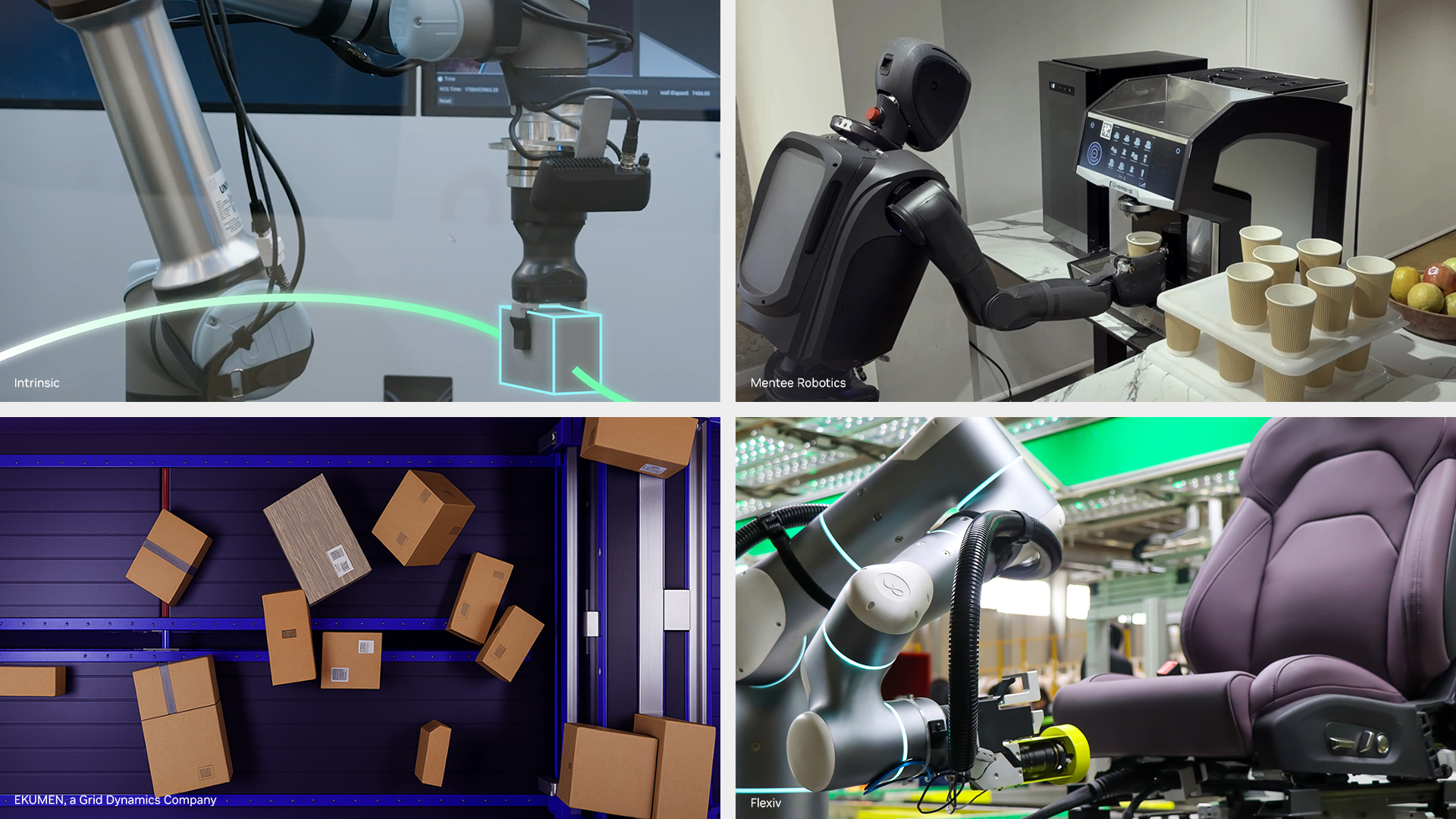
NVIDIA released Isaac ROS 5.0, described as a collection of GPU-accelerated packages built on ROS, the open framework from Open Robotics that helps humans build robots.
The release is aimed at developers building and deploying robotics applications that can perceive, reason and act in dynamic environments.
NVIDIA frames the release as a response to developer demand for new physical AI models and tools.
Why it matters
The framing suggests NVIDIA sees perception, reasoning and action in unpredictable settings as the core challenge for advanced robotics, and is positioning GPU-accelerated ROS packages as part of the answer.
Because ROS is an open framework, tooling layered on top of it can reach a broad developer base rather than a single vendor's ecosystem.
The emphasis on physical AI models alongside software packages indicates that models and deployment tooling are being treated as a combined offering.
Key facts
Isaac ROS 5.0 is a collection of GPU-accelerated packages built on ROS.
ROS is an open framework from Open Robotics that helps humans build robots.
The release was announced by NVIDIA.
NVIDIA says developers need new physical AI models and tools to build robotics applications that perceive, reason and act in dynamic environments.
What to watch next
Whether NVIDIA details which specific packages, models or capabilities ship in Isaac ROS 5.0, since the supplied material does not list them.
How developers adopt the release for applications that must operate in dynamic environments, the use case NVIDIA highlights.